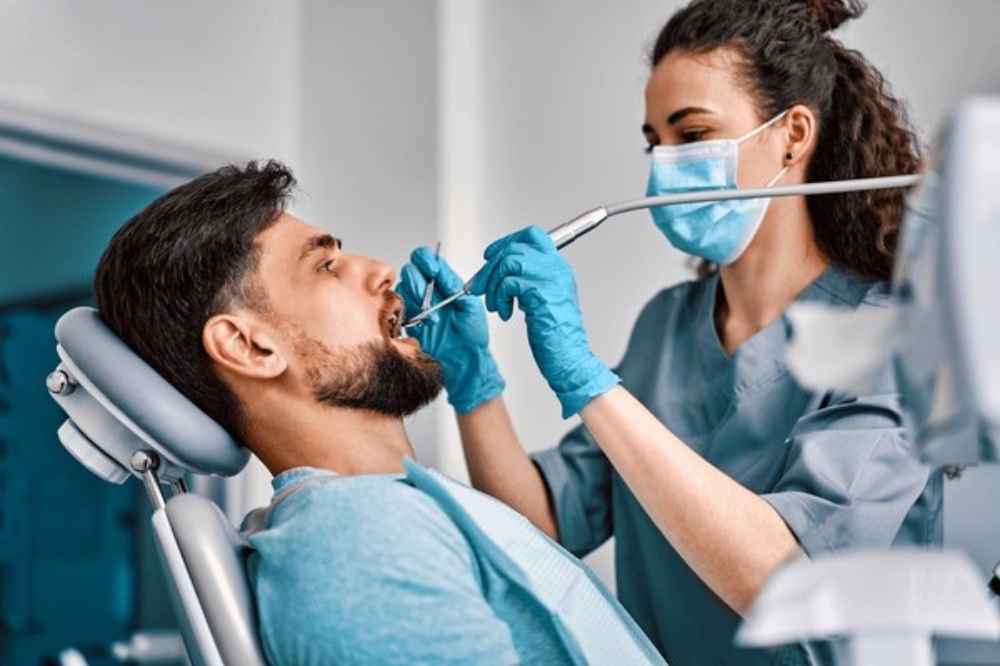
Is brushing and flossing enough to keep your teeth completely clean? Keeping your teeth clean is very important for a healthy smile. While many people brush and floss every day, these habits cannot remove all plaque and tartar. That is why dental cleanings in Jupiter are an important part of preventive dental care and help keep your teeth and gums healthy.
A professional cleaning removes buildup that normal brushing cannot reach. It also helps dentists detect early signs of tooth or gum problems. Understanding the dental cleaning procedurecan help patients feel more comfortable during their visit.
Why Professional Dental Cleanings Are Important
A dental hygienist at a dentist’s office will clean and polish your teeth. If bacteria are not eliminated on time, it can lead to the formation of plaque.
Consistent cleanings benefit the entire mouth.
- Elimination of plaque and calculus.
- Stop cavities and gum issues.
- Preserve Freshness
- Early detection of dental issues.
- Keeping a bright smile.
Most dentists suggest patients get a dental cleaning every six months.
What Happens Before the Cleaning Begins?
Before the actual cleaning starts, the dental team checks your mouth to make sure everything looks healthy.
During this step, the hygienist may:
- Examine your teeth and gums.
- Check for swelling or redness in the gums.
- Look for plaque or tartar buildup.
- Review your dental history.
If any concerns appear, the hygienist may inform a dentist near you so they can evaluate the issue before the cleaning continues.
Step 1: Removing Plaque and Tartar
The first step of the dental cleaning procedure involves removing plaque and tartar around the teeth and along the gumline.
Dental professionals use special tools designed to scrape away hardened deposits gently. These tools allow the hygienist to reach areas where brushing cannot reach.
Common areas where tartar builds up include:
- Between teeth
- Around the gumline
- Behind the back teeth
- Near crowded teeth
Removing tartar is important because it cannot be removed with a toothbrush at home.
Step 2: Deep Cleaning and Polishing
After tartar removal, the hygienist performs a deep cleaning using a high-powered electric brush and special toothpaste.
This step of professional dental cleaning helps remove:
- Surface stains from food and drinks
- Remaining plaque particles
- Minor discoloration on enamel
The polishing process smooths the tooth surface, which makes it harder for plaque to stick to the teeth later.
Patients often notice their teeth feel smoother and cleaner after this step.
Step 3: Professional Flossing
Next, the hygienist flosses between each tooth. Even people who floss daily can benefit from professional flossing.
Professional flossing helps:
- Remove plaque between teeth.
- Clear debris from tight spaces
- Check for bleeding areas in the gums.
If the gums bleed during flossing, it may be a sign that the gums need more care or improved home hygiene habits.
Step 4: Rinsing the Mouth
Once polishing and flossing are complete, the patient is asked to rinse their mouth. This step removes loosened debris from the cleaning process.
The rinse solution helps wash away:
- Tiny tartar particles
- Toothpaste residue
- Remaining plaque
After rinsing, the teeth are ready for the final step of the cleaning process.
Step 5: Fluoride Treatment
The final step of many dental cleanings near you is a fluoride treatment. Fluoride helps strengthen tooth enamel and protect teeth from cavities.
Fluoride may be applied as:
- A foam placed in a mouth tray
- A gel coating for the teeth
- A quick fluoride varnish
The treatment usually takes only a few minutes but can last for several months.
How Often Should You Get Dental Cleanings?
Most people should schedule dental cleanings every six months. However, some individuals may need more frequent visits depending on their oral health needs.
A dentist in Jupiter may recommend more frequent cleanings if a patient has:
- Gum disease
- Heavy plaque buildup
- Braces or dental appliances
- A history of frequent cavities
Regular visits help maintain healthy teeth and reduce the risk of serious dental problems.
Tips to Maintain Clean Teeth Between Visits
Maintaining good oral hygiene at home helps extend the benefits of a professional cleaning.
Helpful daily habits include:
- Brushing twice a day with fluoride toothpaste
- Flossing between teeth daily
- Drinking water after meals
- Limiting sugary foods and drinks
- Visiting a dentist near you for regular checkups
These habits reduce plaque buildup and support long-term dental health.
Take the Next Step Toward a Healthier Smile!
Professional cleanings are one of the easiest ways to protect your teeth and gums. They remove harmful buildup, prevent dental problems, and keep your smile looking its best.
If you are ready to maintain excellent oral health, schedule your next visit with Donald Ross Advanced Dentistry today. Their experienced team provides gentle, thorough dental cleanings to help you enjoy a healthier and brighter smile.
FAQs
How long does a dental cleaning usually take?
A standard dental cleaning usually takes about 30 to 60 minutes. The exact time may vary depending on how much plaque or tartar needs to be removed.
Are professional dental cleanings painful?
Most cleanings are comfortable and painless. Some people with sensitive gums may feel mild pressure, but the procedure is generally quick and gentle.
Can dental cleanings remove stains from teeth?
Yes. Professional cleaning can remove many surface stains caused by coffee, tea, and certain foods. However, deeper stains may require whitening treatments.
What should I do after a dental cleaning?
After the appointment, you can continue your normal routine. Dentists usually recommend brushing, flossing, and drinking plenty of water to maintain oral health.